
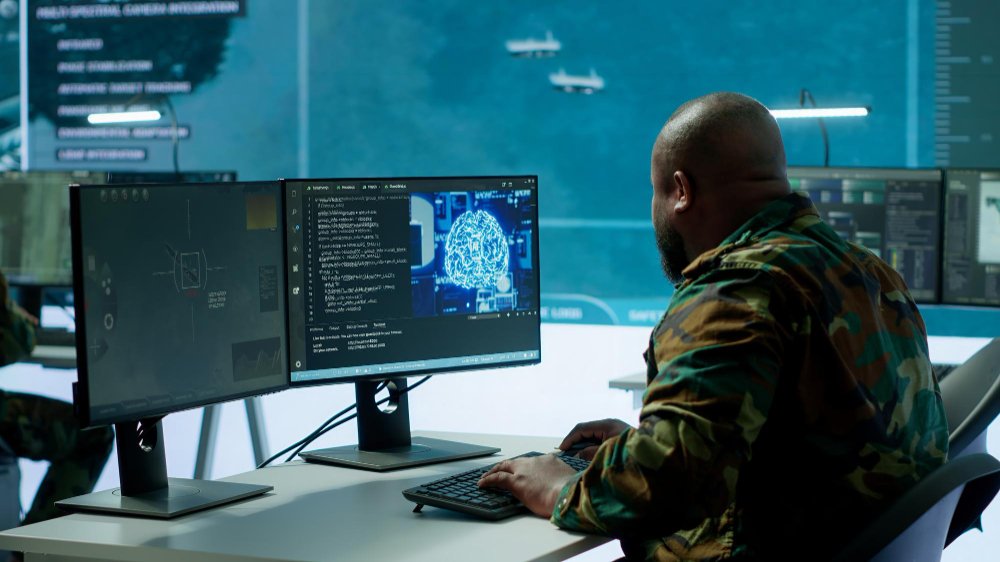
The Role of Intelligence in Preventing Crime and Terrorism
In today’s world, crime and terrorism have become more sophisticated, organized, and unpredictable. Criminals and terrorist groups use advanced technology, encrypted communication, and strategic planning to operate. Because of this, governments and security institutions cannot rely on reaction after crime happens—they must prevent it before it occurs. This is where intelligence plays a powerful and essential role.
Intelligence is the process of collecting, analyzing, and using information to understand potential threats, criminal activities, and terrorist plans. When used properly, intelligence can save lives, protect national stability, and ensure public safety.
What is Intelligence?
Intelligence is not just information—it is processed, verified, and strategic knowledge used by:
- National Security Agencies
- Police & Law Enforcement
- Military & Special Forces
- Counter-Terrorism Units
- Government Security Institutions
This information helps identify:
- Criminal networks
- Terrorist organizations
- Planned attacks
- Security weaknesses
- Potential threats
How Intelligence Prevents Crime
Intelligence allows security agencies to stay one step ahead of criminals. Through surveillance, community reporting, digital monitoring, and undercover operations, authorities can:
- Identify criminals before they commit crimes
- Track illegal networks such as smuggling and human trafficking
- Prevent organized crime operations
- Locate criminal hideouts and safehouses
- Understand motives and methods of offenders
Early detection reduces crime rates and strengthens public trust in law enforcement.
How Intelligence Prevents Terrorism
Terrorism is one of the most dangerous threats to national security. Intelligence helps counter-terrorism efforts by:
- Monitoring extremist communication
- Identifying radicalization processes
- Tracking funding sources of terror groups
- Detecting recruitment networks
- Preventing planned attacks before execution
Many terrorist attacks worldwide have been stopped because intelligence agencies shared information, analyzed threats, and acted early.
Types of Intelligence Used in Security
Different forms of intelligence work together to provide accurate security awareness:
- Human Intelligence (HUMINT) – Information from people, informants, agents, and community sources
- Signals Intelligence (SIGINT) – Monitoring phone calls, internet activity, and digital communication
- Open-Source Intelligence (OSINT) – Public information from social media, news, and online platforms
- Geospatial Intelligence (GEOINT) – Satellite and location tracking
- Criminal Intelligence – Data on crime patterns and suspects
Combining these creates a strong security strategy.
Why Intelligence Matters for National Security
Without intelligence, a nation is blind to danger. Effective intelligence:
- Protects national stability
- Prevents chaos and fear
- Supports law enforcement operations
- Strengthens border and internal security
- Builds a safer society for citizens
It is not only about reaction; it is about being prepared before disaster happens.
The Role of Trained Professionals
Quality intelligence work requires trained experts, skilled analysts, and educated security professionals. This is why studying fields like:
- Intelligence & Information Gathering
- Security Studies
- National Security
- Criminal Law
- International Relations
…is extremely important for the future security of any nation.
Conclusion
Intelligence is the strongest weapon against crime and terrorism. Through early detection, informed decision-making, and strategic action, intelligence protects lives, secures nations, and creates a safer world. As threats evolve, the need for trained intelligence and security professionals becomes greater than ever.